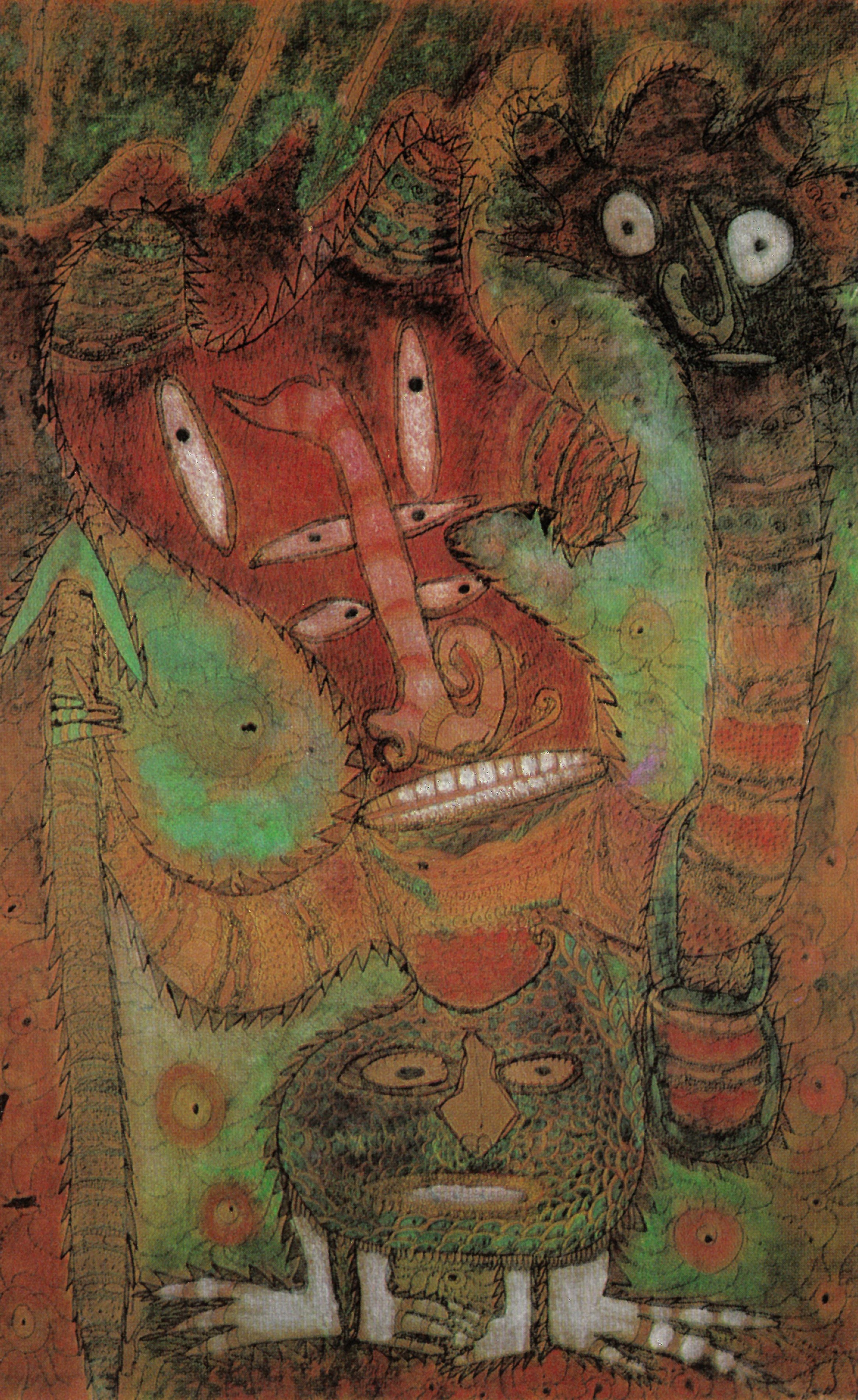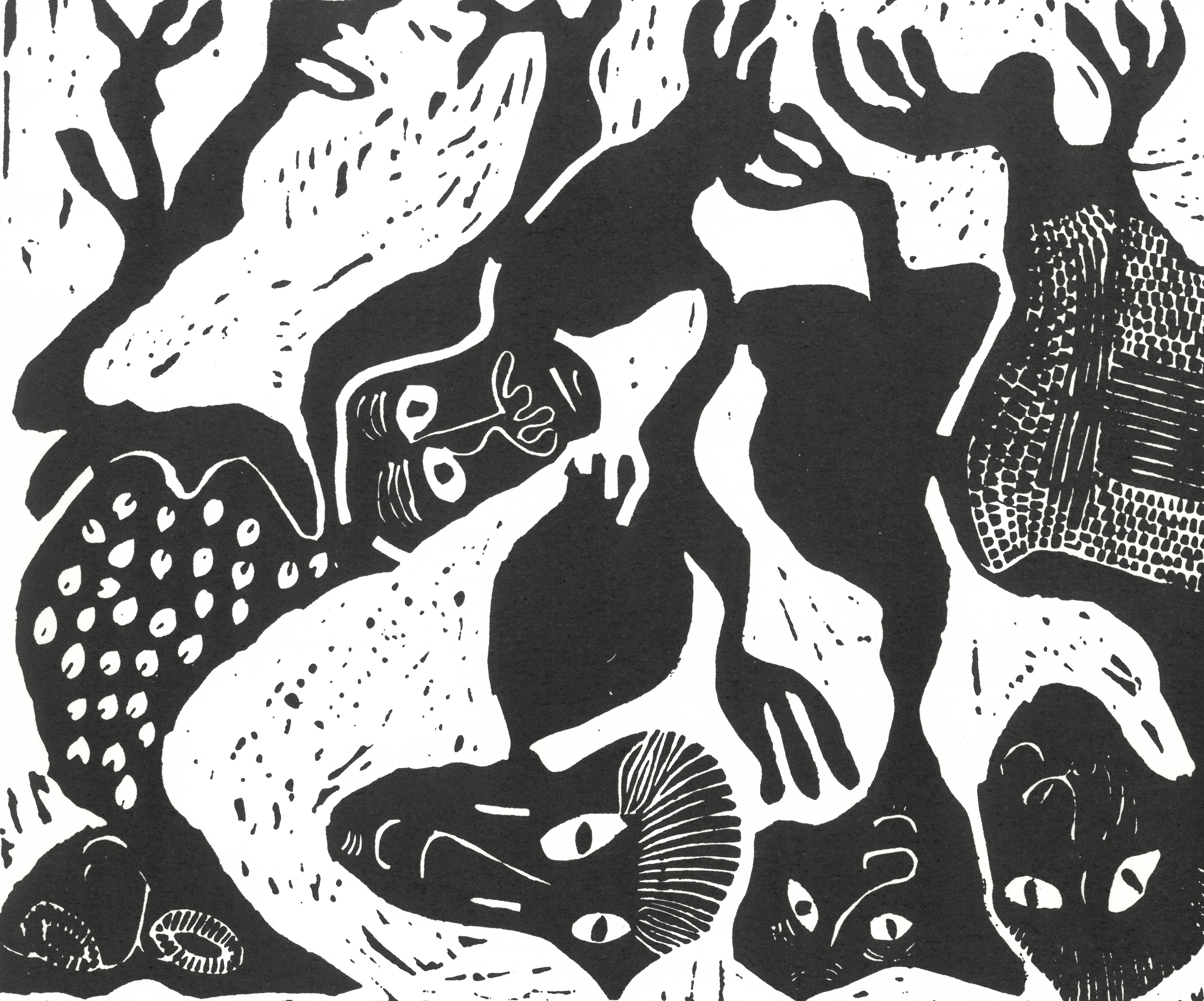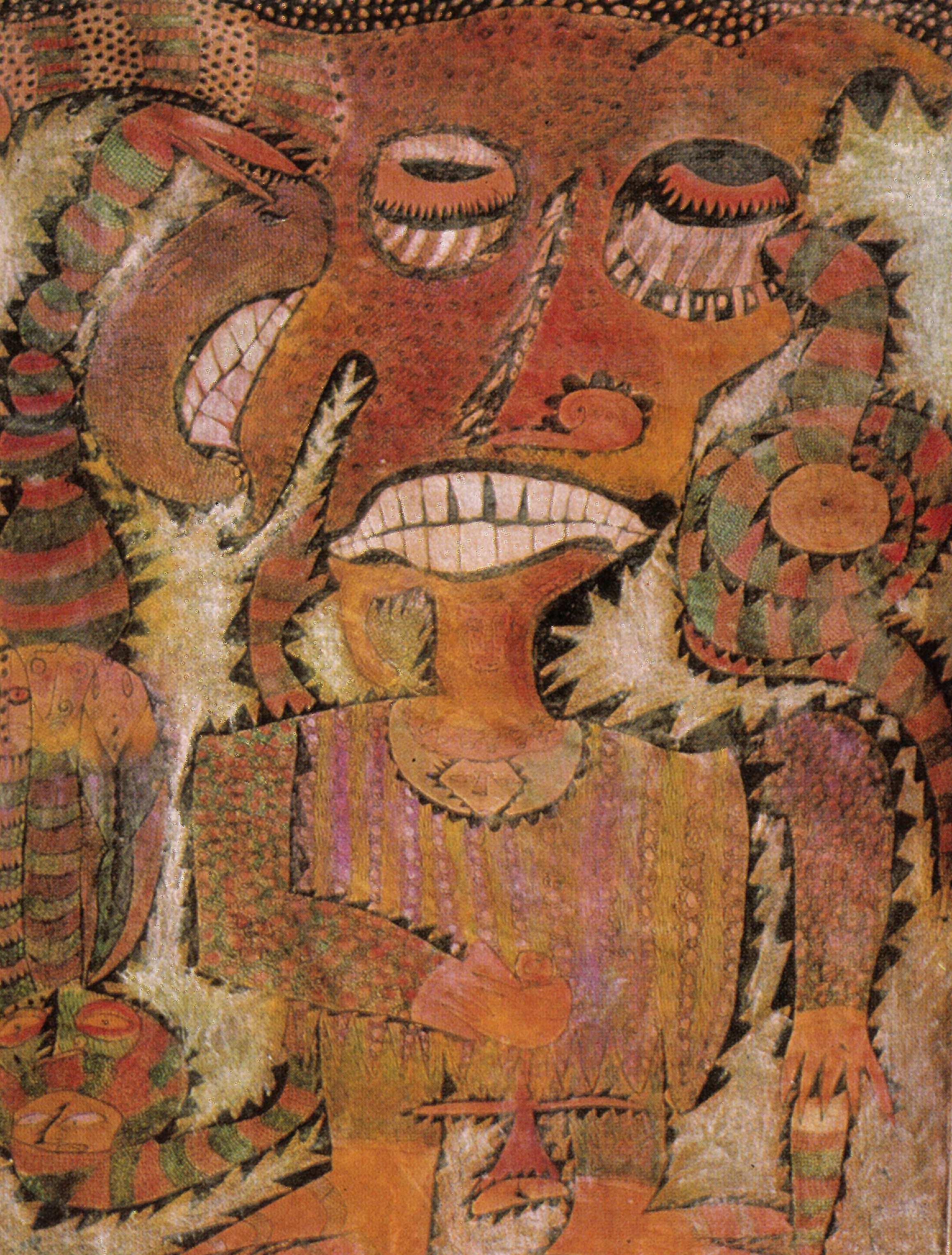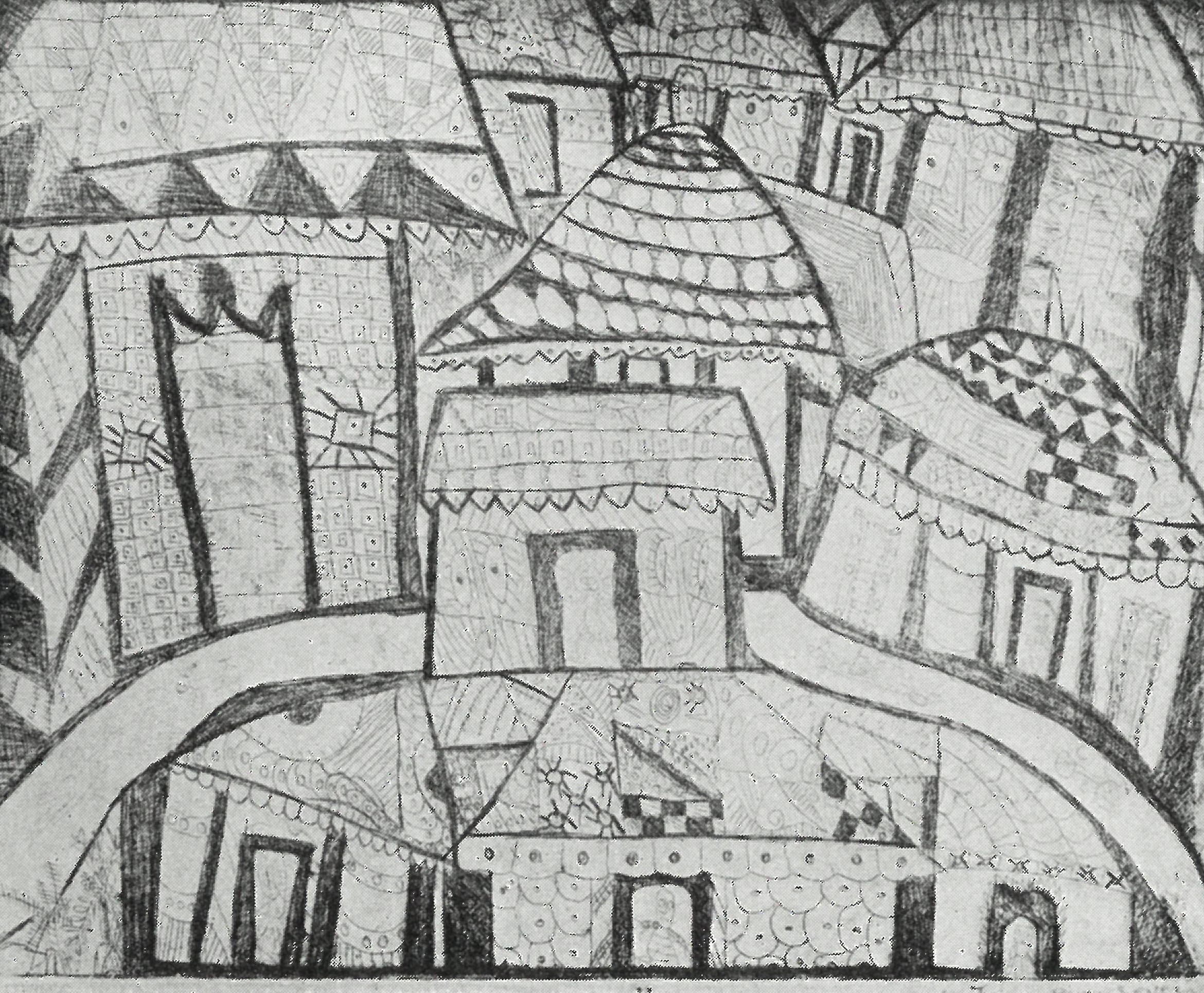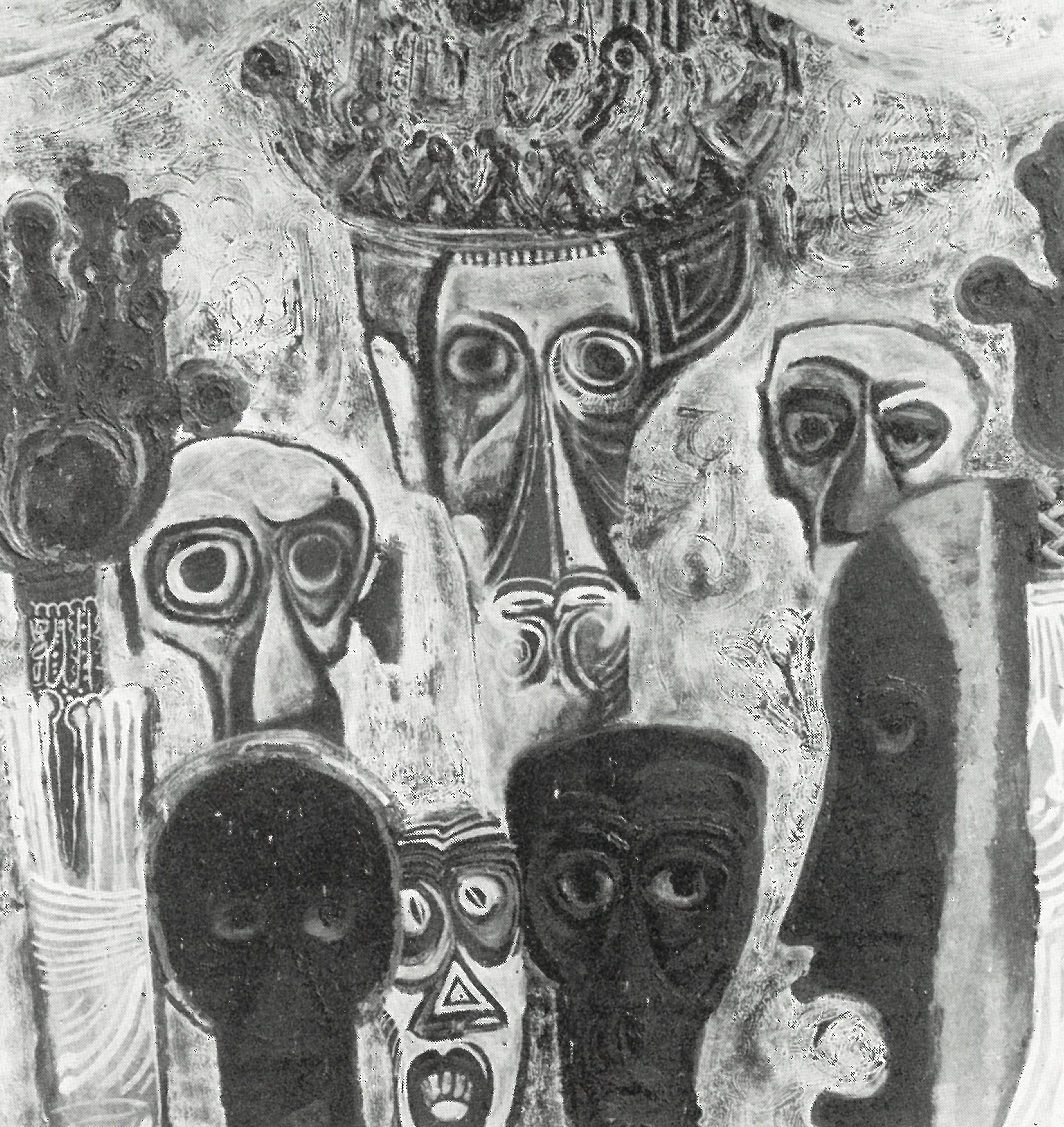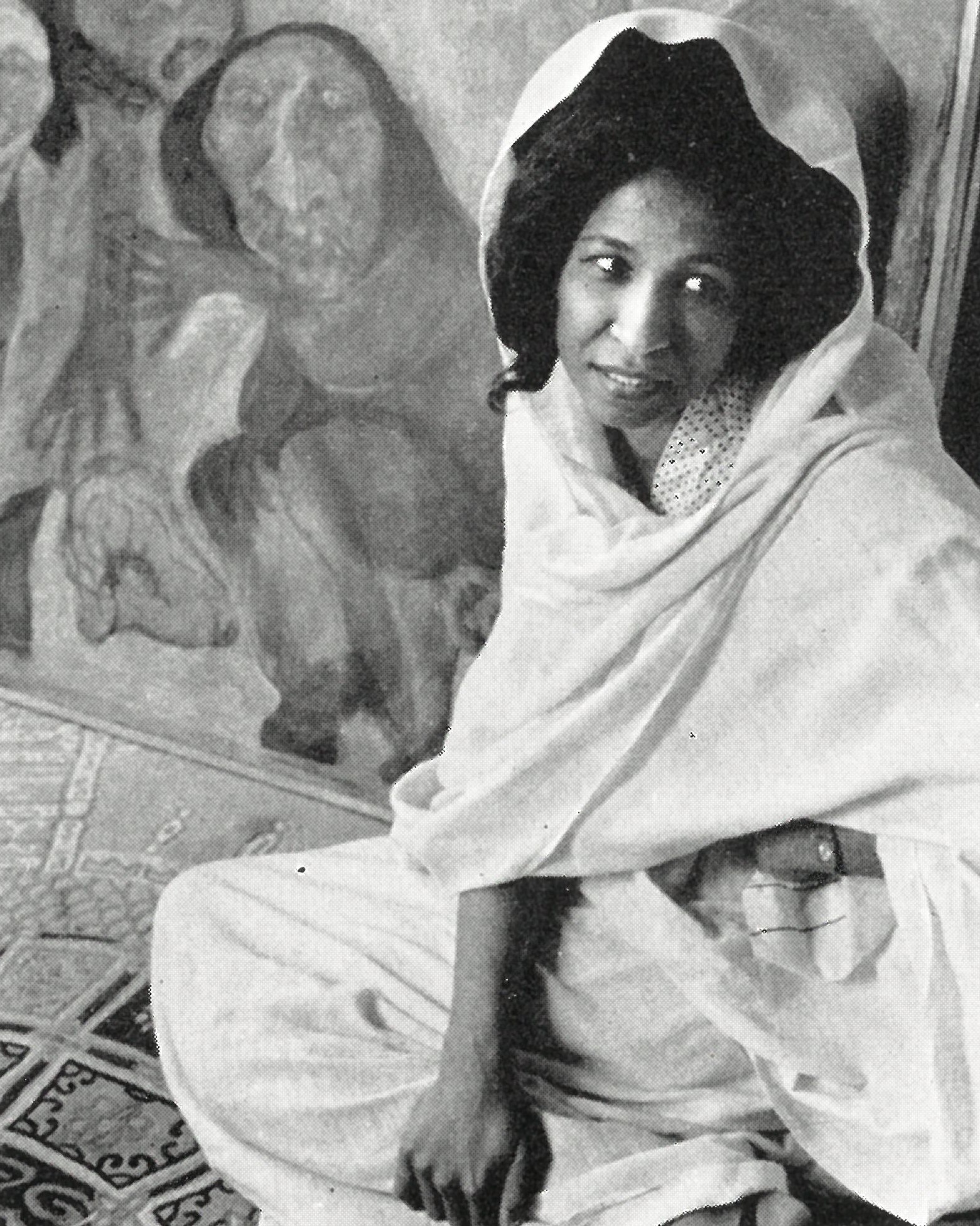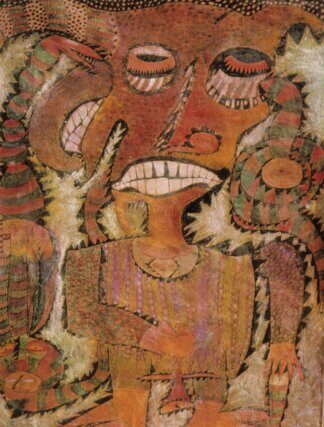
The exhibition presented the public with its first opportunity to see the work of modern African artists in its full range and variety.
Since the beginning of this century, traditional African art has become a centre of interest for Western artists and for certain privileged classes. But this does not imply that the creative arts have gained the same recognition. The concept of ‘traditional culture’ often hides a negation of the primordial openness of many African communities during the pre-colonial period.
If we admit the existence of widespread exchange during this period, attempts to think in terms of ‘closed communities’ and ‘tribal styles’ will have to be much more prudent. The fact is that we know very little about the exchanges and the creative processes that gave rise to the traditional arts in Africa. While many inquire into this traditional background, very few are sufficiently concerned to look at contemporary works, much less to take them seriously. It is sufficient to notice that most books on African art close abruptly after a presentation of the heads of Ife, the Bambara antelopes, the Baule masks, the Fang statuettes, the Kota reliquaries, the Lega ivories. . . all the well-known examples of ‘good’ African art. As long as we condemn Africa to the past, the numerous exhibitions of traditional art will introduce us to nothing more than a universe of tribal images seasoned in myths – carefully conserved, interpreted and distributed by the Western intellectual.
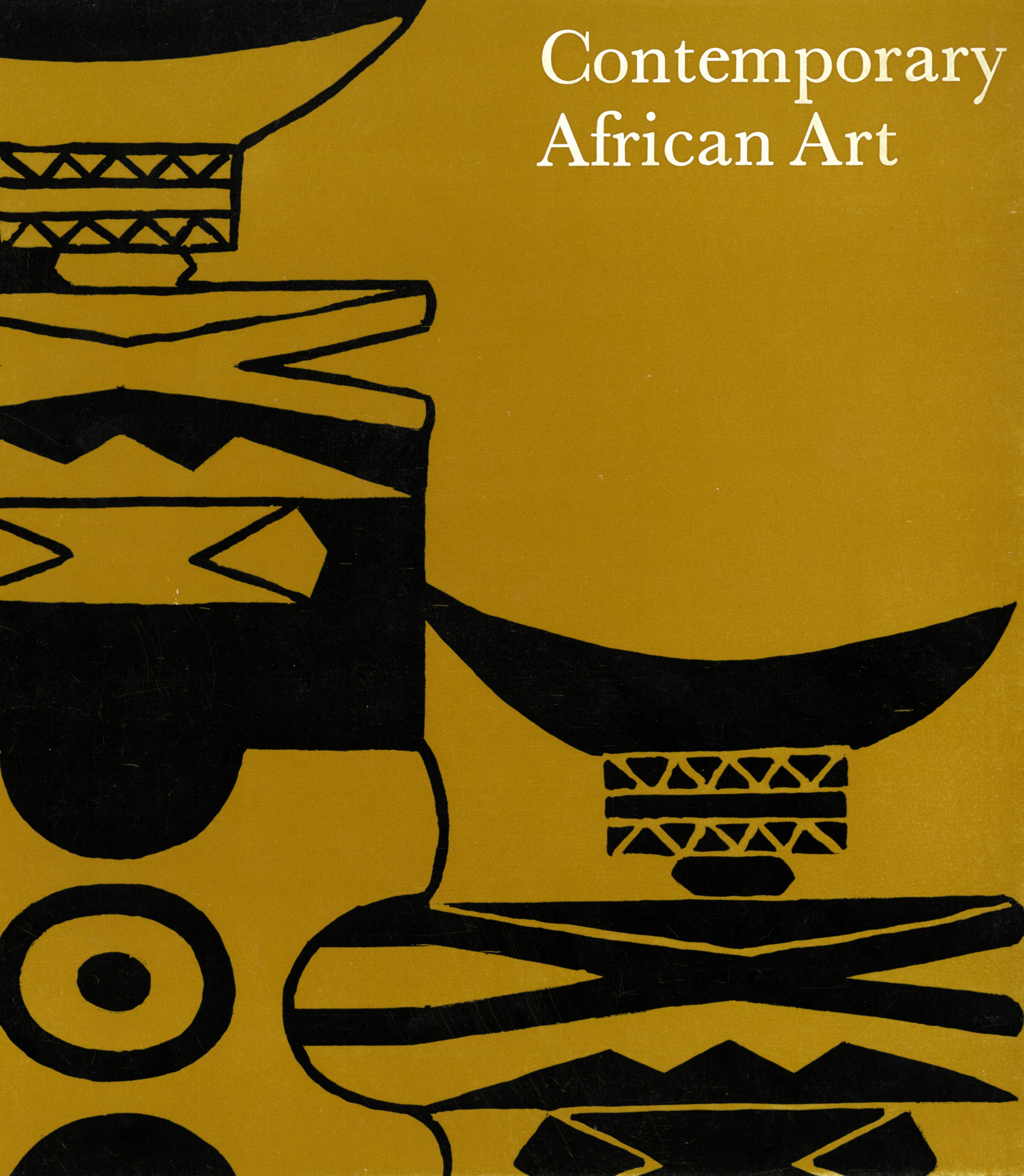
Excerpt from the Contemporary African Art exhibition catalogue, published to coincide with the exhibition at Camden Art Centre, 1969. Introduction by Jacqueline Delange and Philip Fry.