From clay to plastic, ancient myths to outer space, discover the radical sculpture of Liz Larner.
The first exhibition at a major UK institution of Liz Larner (b. 1960) – one of the most influential and significant American sculptors of her generation.
For the past three decades, Larner has explored the potential of sculpture to affect and expand our embodied encounter with the world. This exhibition brings together works primarily from the last decade and foregrounds the artist’s current ecological concerns and her continued radical experiments in material and form.
Unfolding as a series of rooms, the show traces ideas of transformation: from ancient myth and cosmology to the cycles of matter. Informed by post-human and eco-feminist thought, the works reflect on how we are embodied within and intervene in the material world around us.
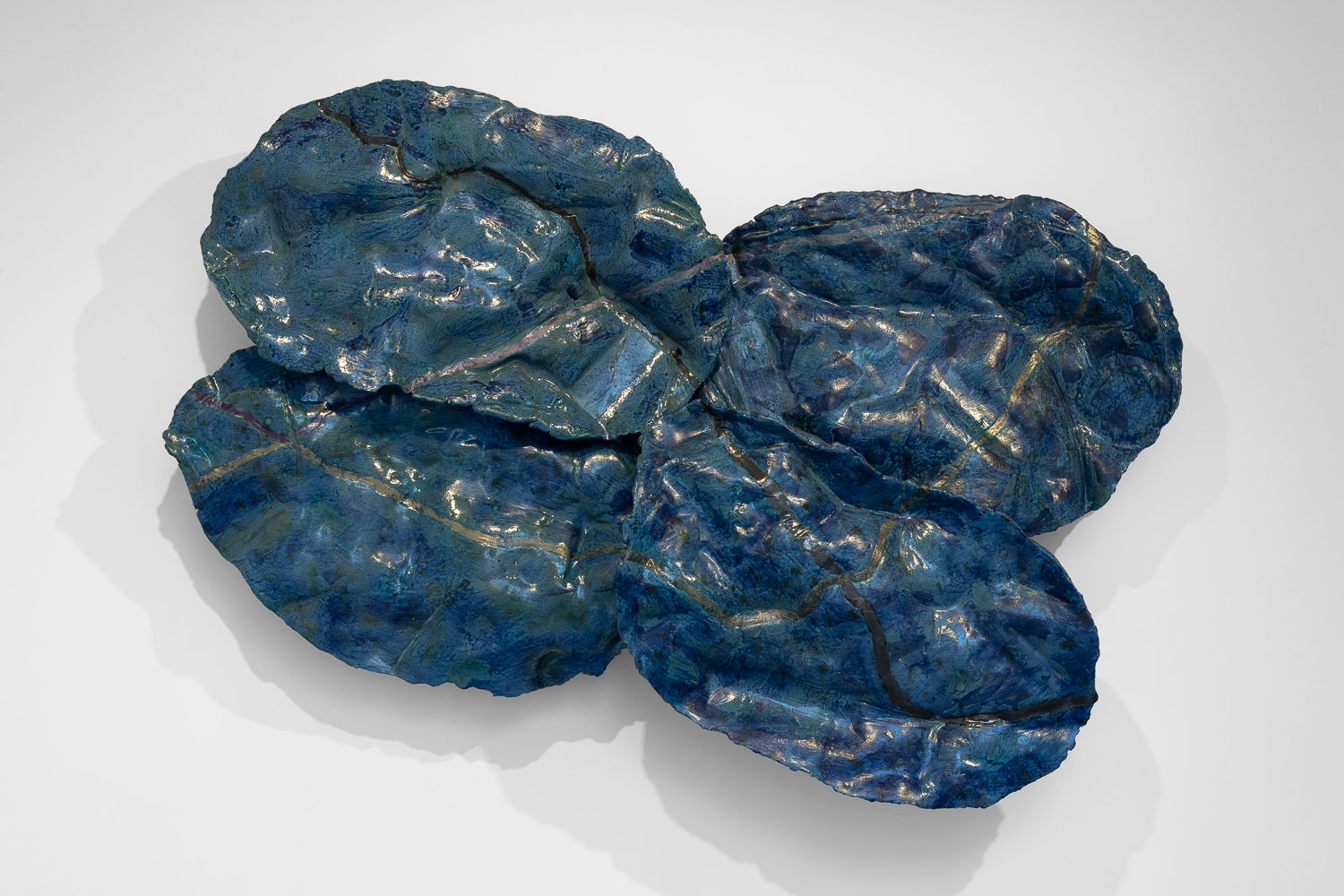
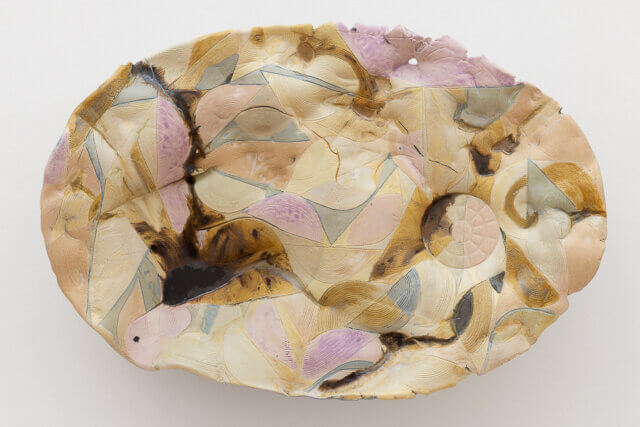
Central to the exhibition are Larner’s ongoing series of wall-mounted ceramic slabs. Deeply interested in the transformation of material, in these works Larner embraces the metamorphosis inherent in the processes of shaping, drying, firing, and glazing. The resulting forms are textured, fissured, fractured and polychromatic – sites of experimentation which lie between painting and sculpture. The titles of the works allude to the artist’s conceptual influences in literature and geology.
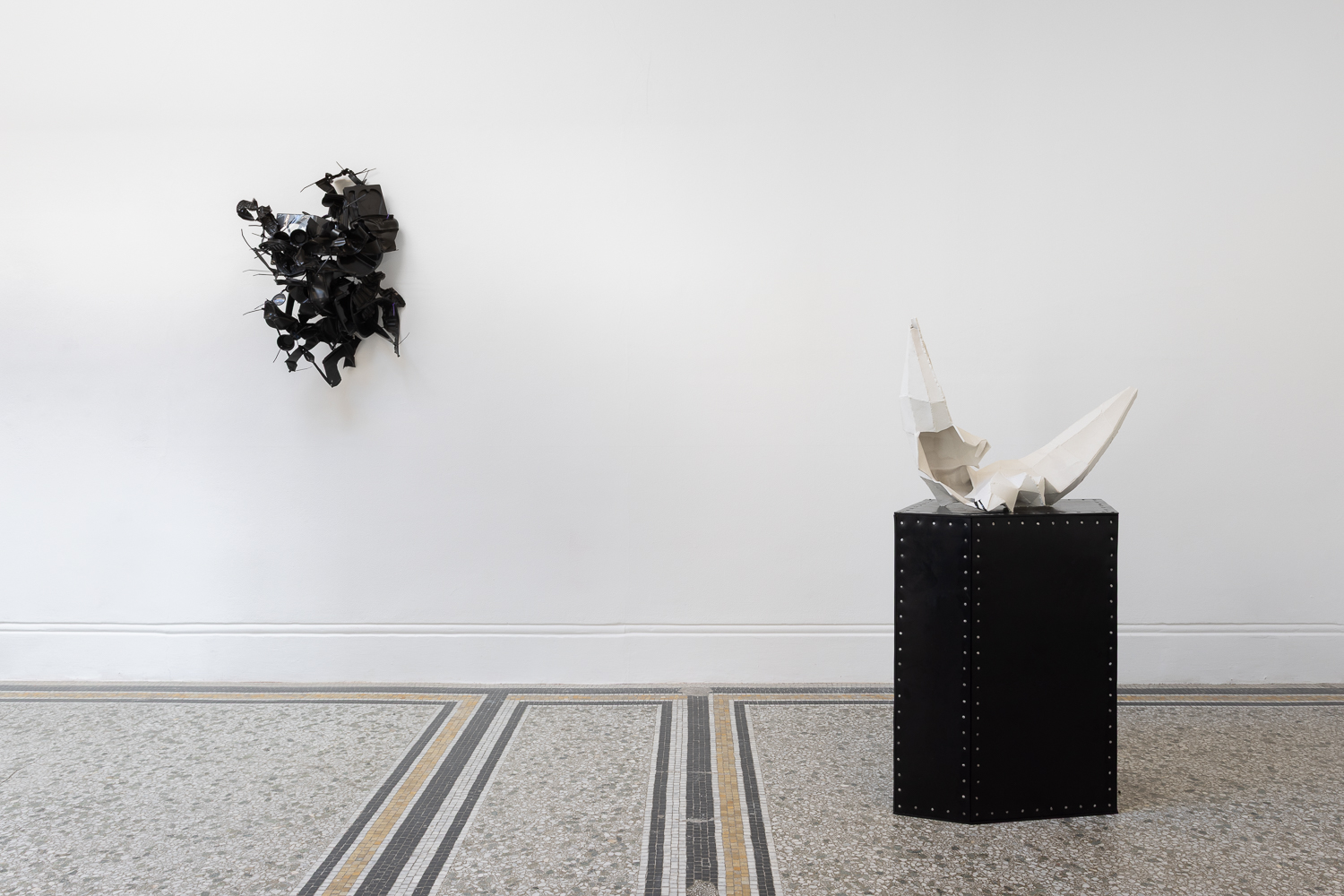
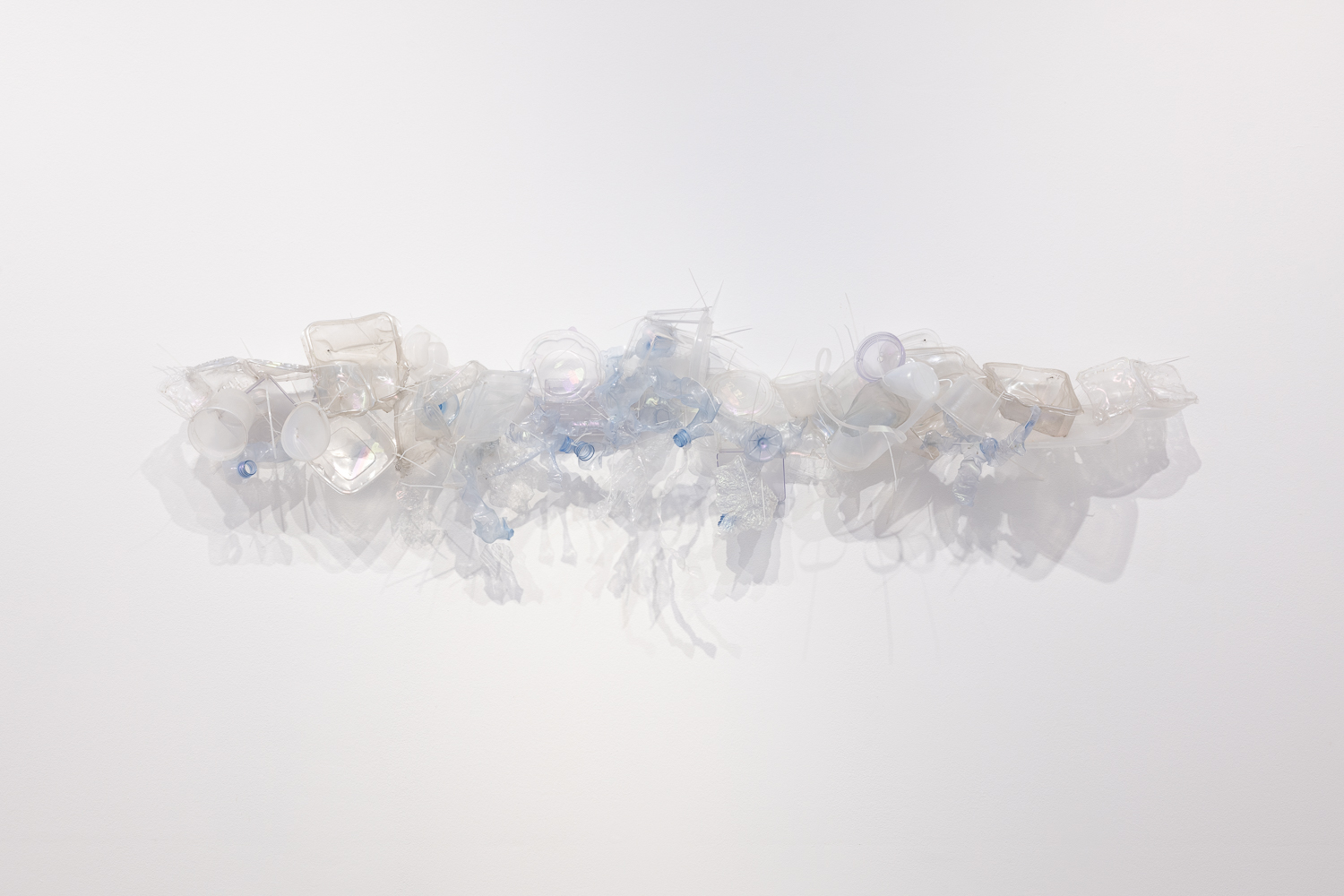
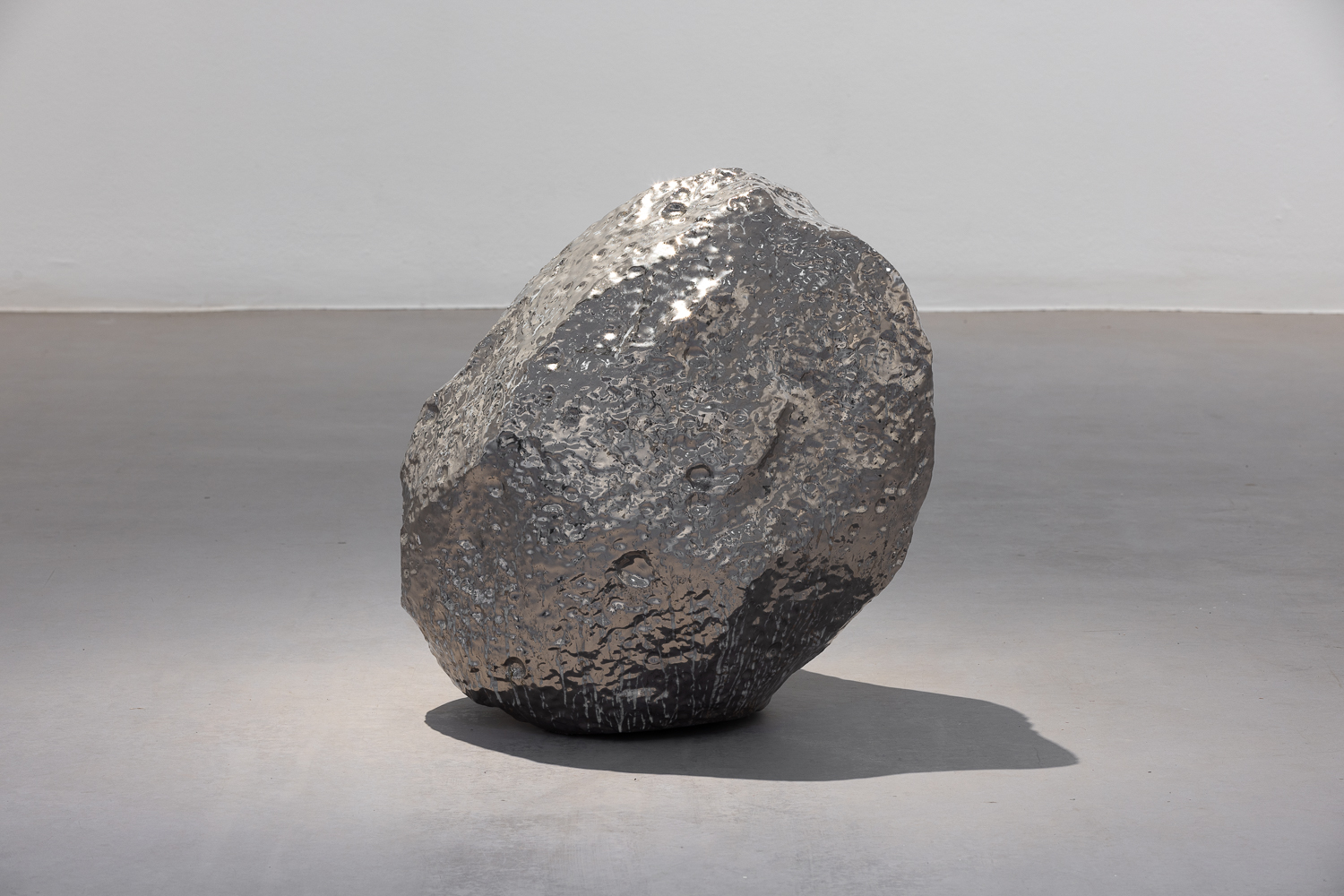
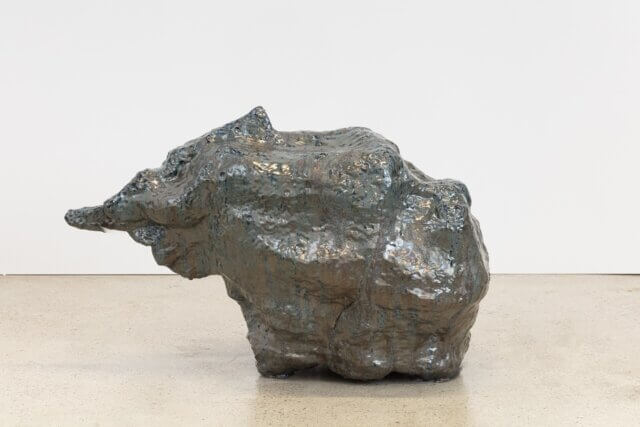
Primordial cycles of cosmic matter, ancient mythology and contemporary resource extraction come into dialogue midway through the exhibition. Here Larner’s assemblages of discarded, single-use plastics are interspersed with her series of ceramic ‘asteroids’. Like many of their counterparts in space, the later have been named after female mythic figures. This gesture imbues the matter of our universe with a life force that deeply contrasts with the dominant, mechanical assumptions of our current age.
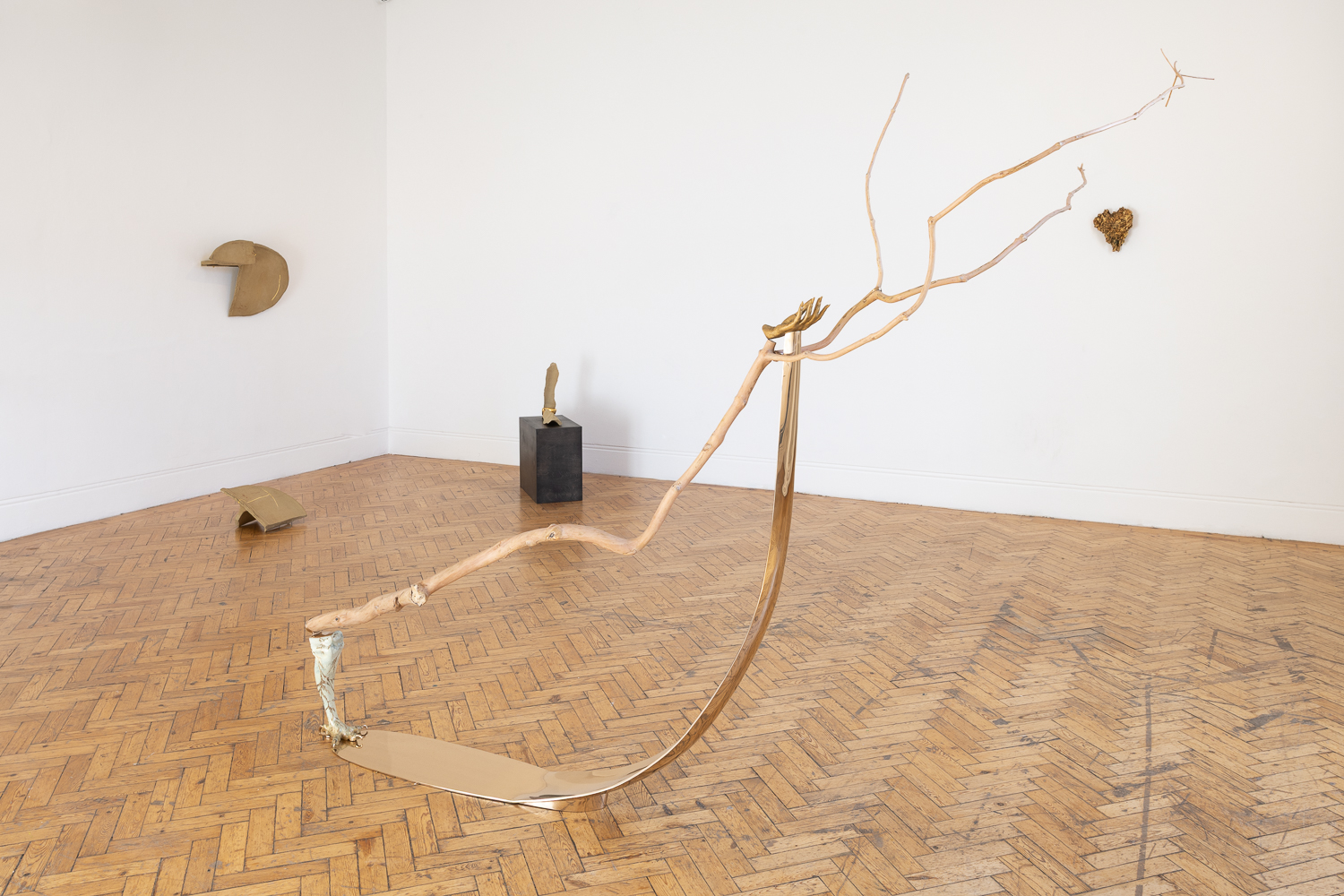
The exhibition is conceptually anchored by a new work, A hard line to bend (2026), inspired by Lilith. A powerful female figure with ancient origins, Lilith is associated with self-determination, female autonomy, dream, and the night. Making reference to a Babylonian relief found in the British Museum, Larner’s sculpture incorporates a human hand and owl foot cast in bronze and a branch from one of the trees that surrounds her studio.
Larner’s intuitive approach to materials, presented here across clay, metal, wood and plastic, is informed by ideas from literature and philosophy, as well as processes in the natural world. This exhibition proposes alternatives to humanity’s current path through the Anthropocene, addressing the need for something organic, nurturing, experienced, alive and continually becoming.
Audio Guide
Listen to the curator’s tour of the exhibition with our audio guide, available through the Bloomberg Connects app.
Image: Liz Larner, A hard line to bend, 2026. Bronze and Madrone branch. Photo: Rob Harris. Courtesy of the artist, Galerie Max Hetzler, Berlin, Paris, London; Anton Kern Gallery, New York; The Modern Institute/Toby Webster Ltd, Glasgow; and Regen Projects, Los Angeles